
 עברית
עברית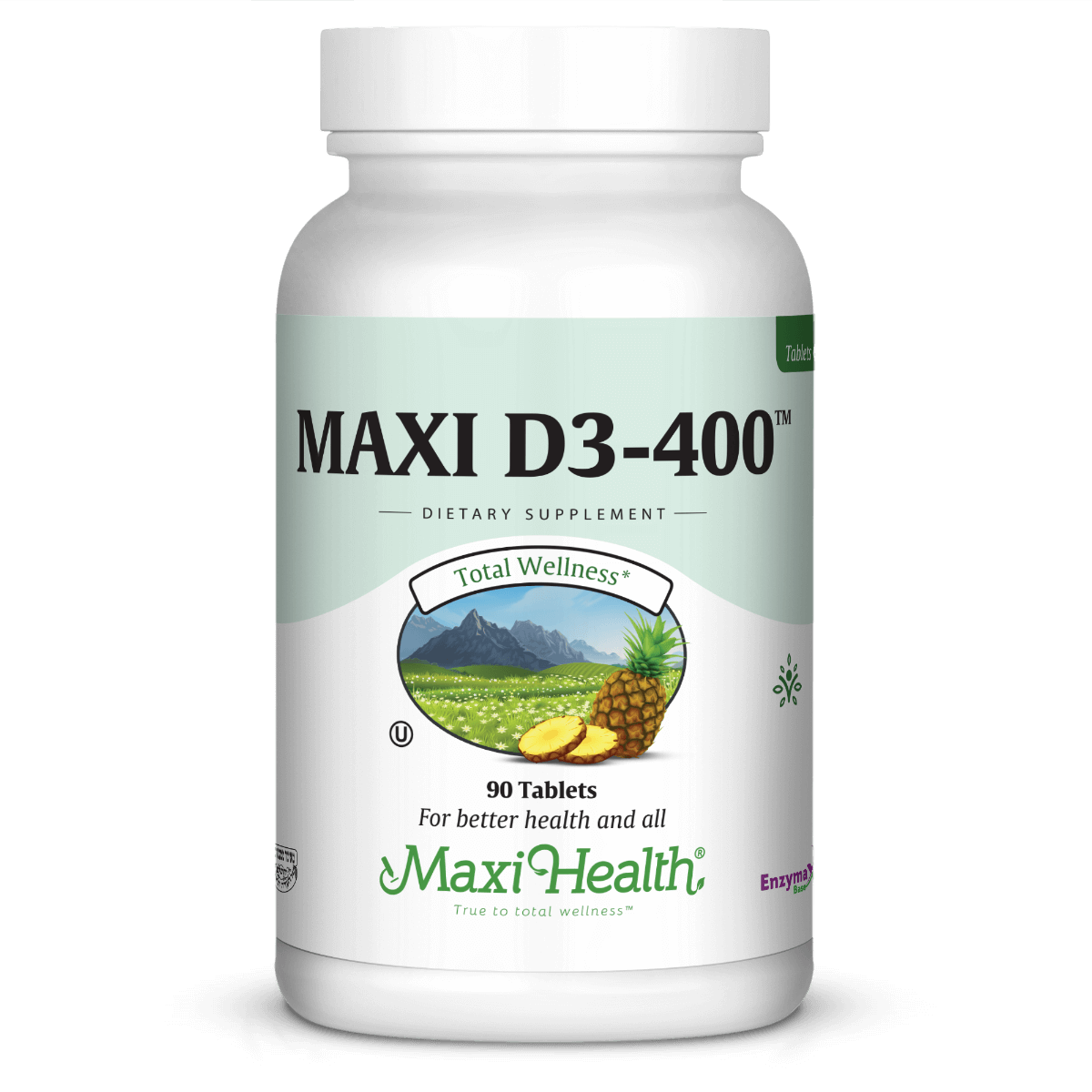
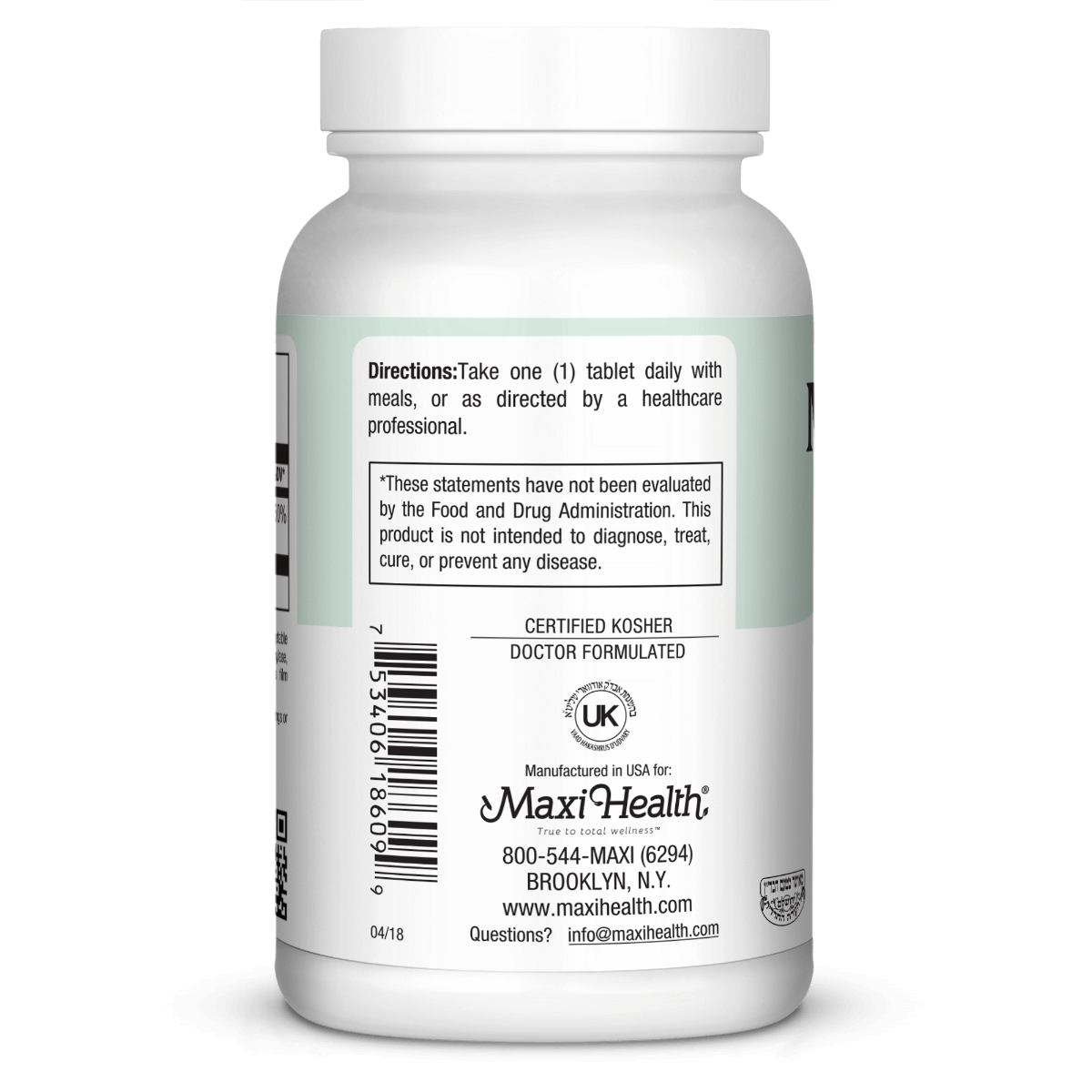
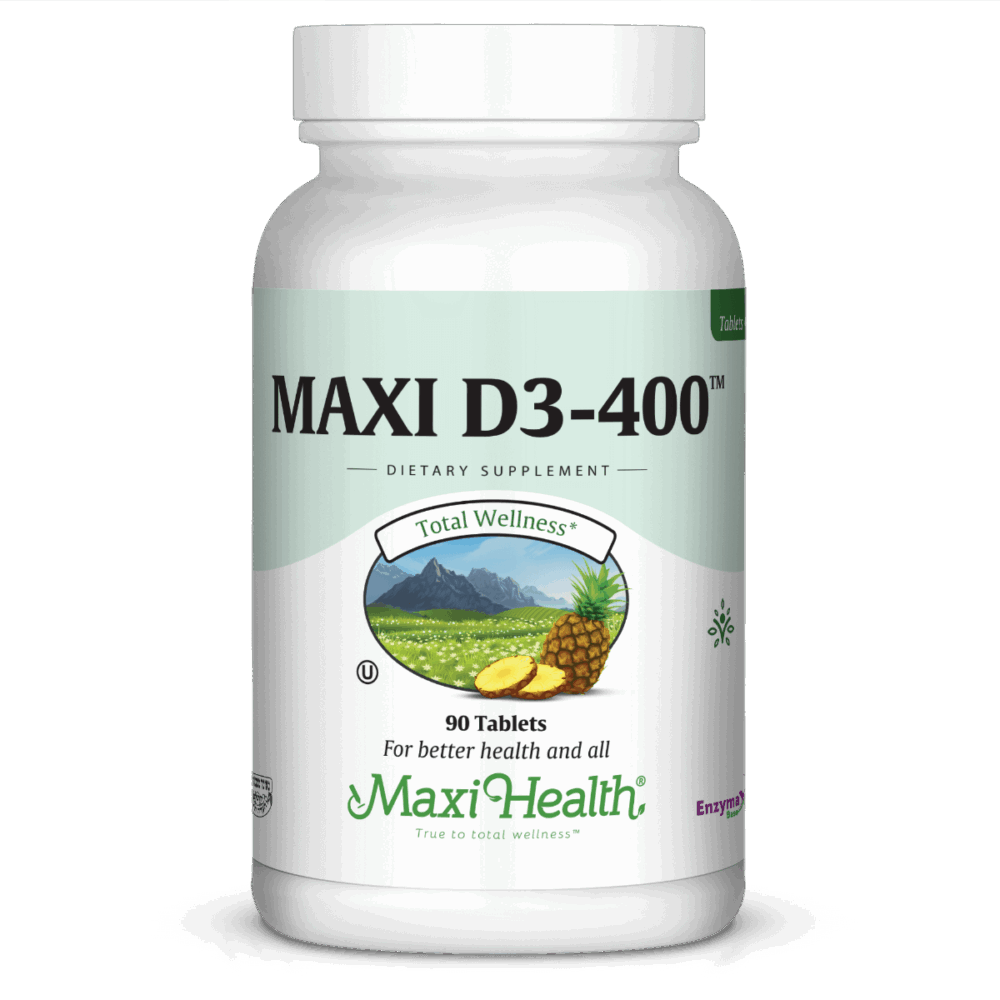
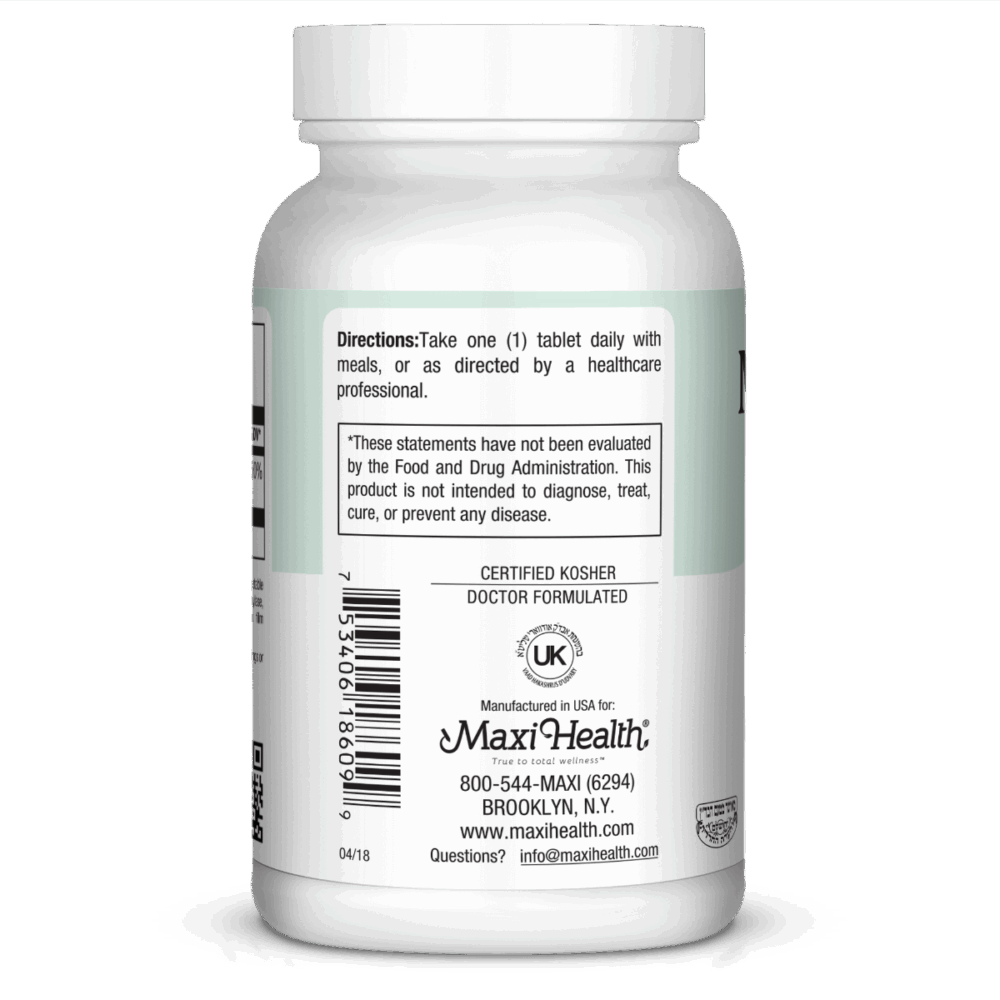
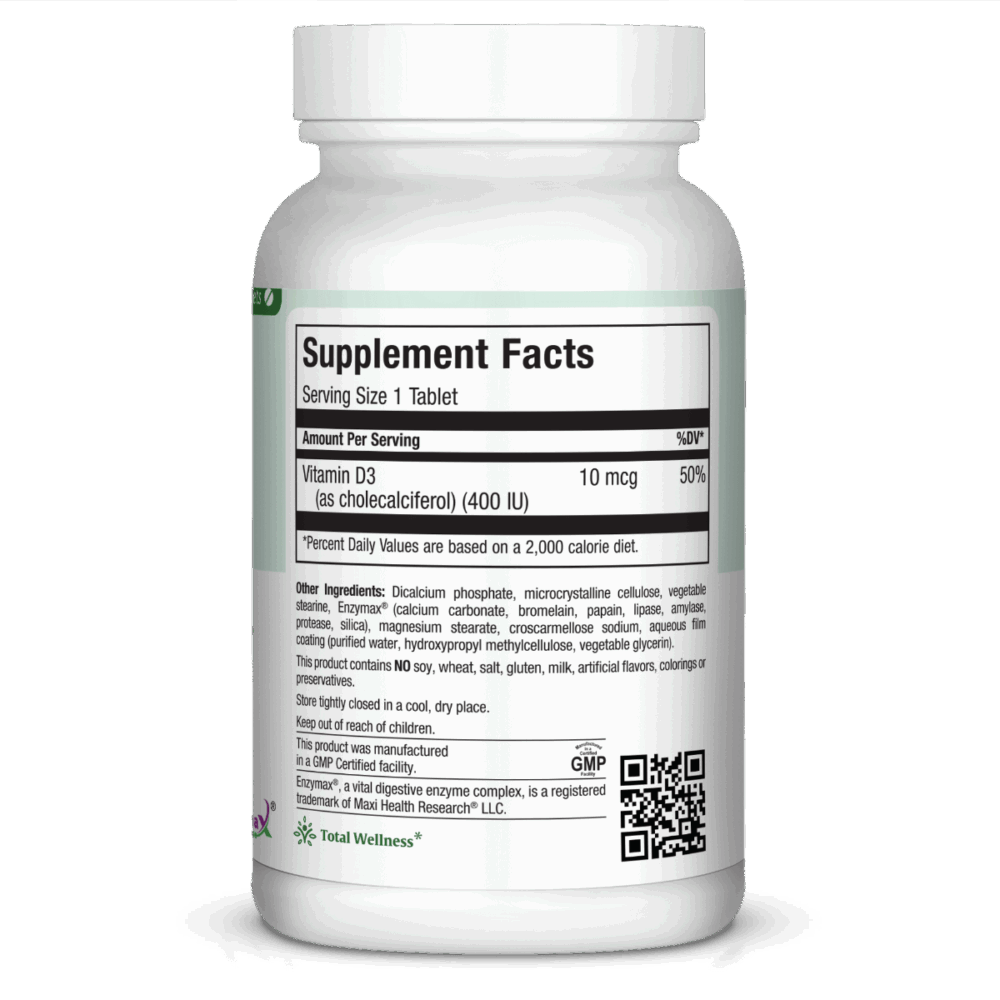
Maxi D3 400™
57.00 ₪
In stock
Can This Simple Vitamin Unlock The Secrets Of Good Health?
Maxi D3 400™ is your logical source for supplemental vitamin D. Vitamin D is essential for promoting calcium absorption in the gut and maintaining adequate serum calcium and phosphate concentrations to enable normal mineralization of bone and prevent hypocalcemic tetany. It is also needed for bone growth and bone remodeling by osteoblasts and osteoclasts. Without sufficient vitamin D, bones can become thin, brittle, or misshapen. Vitamin D has other roles in human health, including modulation of neuromuscular, immune function and reduction of inflammation.
Why is Vitamin D3 preferred over Vitamin D2:
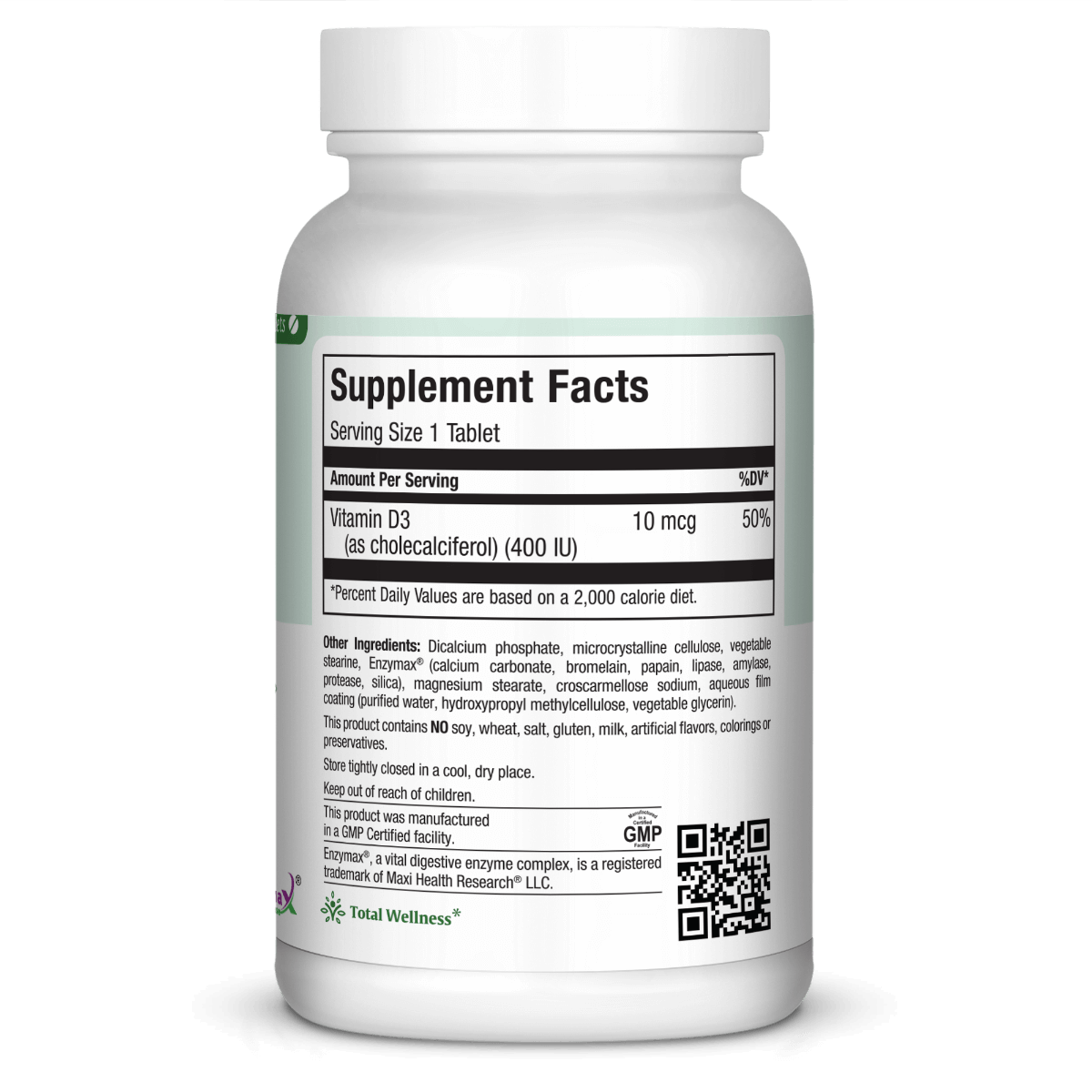
Evidence has been offered that they are metabolized differently. Vitamin D3 could be more than three times as effective as vitamin D2 in raising serum 25(OH)D concentrations and maintaining those levels for a longer time, and its metabolites have superior affinity for vitamin D-binding proteins in plasma. Maxi D3 400™ is made with 10 micro grams (400 IU) of vitamin D3, the most absorbable form of vitamin d.
Groups at Risk of Vitamin D Inadequacy:
Very few foods in nature contain vitamin D. Obtaining sufficient vitamin D from natural food sources alone can be difficult but Vitamin D is so important; many food products are fortified with it! For many people, consuming vitamin D-fortified foods and being exposed to sunlight are essential for maintaining a healthy vitamin D status and if your goal is to have certain amount, you can only really be certain with supplementation.
Older adults:
Americans aged 50 and older are at increased risk of developing vitamin D insufficiency. While your body, with enough sunlight can make its own D3, you would need to be in the sun every day. Not only that, as people age, the skin cannot synthesize vitamin D as efficiently and the kidney is less able to convert vitamin D to its active hormone form. As many as half of older adults in the United States with hip fractures could have serum 25(OH)D levels <12 ng/ml (<30 nmol/l). therefore they would need vitamin d supplementation.
People with limited sun exposure:
Home bound individuals, people living in northern latitudes (such as New England and Alaska), those who are advised to avoid direct sunlight to protect their skin or keep covered for religious reason and people with occupations that prevent sun exposure are unlikely to obtain adequate vitamin D from sunlight and benefit greatly from supplementation.
Osteoporosis:
More than 25 million adults in the United States have or are at risk of developing osteoporosis, a disease characterized by fragile bones that significantly increases the risk of bone fractures. Osteoporosis is most often associated with inadequate calcium intakes (generally <1,000-1,200 mg/day), but insufficient vitamin d contributes to osteoporosis by reducing calcium absorption. is an example of a long-term effect and insufficiency. adequate storage levels maintain bone strength might help prevent in older adults, nonambulatory individuals who have difficulty exercising, postmenopausal women, on chronic steroid therapy.
Most supplementation trials of the effects of vitamin D on bone health also include calcium, so it is not possible to isolate the effects of each nutrient. The authors of a recent evidence-based review of research concluded that supplements of both vitamin D3 and calcium decreased the risk of falls, fractures, and bone loss in elderly individuals aged 62-85 years. The decreased risk of fractures occurred primarily in elderly women aged 85 years, on average, and living in a nursing home. Women should consult their health care providers about their needs for vitamin D (and calcium) as part of an overall plan to prevent or treat osteoporosis. Recent studies show, that taking 2000 IU or more is safe and is highly recommended.
More Health Benefits:
1. There is evidence that it can offer protection from autoimmune diseases.
2. Published scientific studies have shown cancer risk reductions of 50% and more, based on higher vitamin D intake. (Garland Et Al 1989, Gorham Et Al 2005)
3. It is also known as an anti-inflammatory agent, helping in conditions as rheumatoid arthritis, muscle pain, congestive heart failure and stroke. (Holick Et Al 2005, Miggiano Et Al 2005, Liu Et Al 2005, Witte Et Al 2007)
4. There is also evidence that chronic vitamin D deficiency may be linked with diabetes and high blood pressure.
5. Children with vitamin D deficiency are at greater risk for stunted growth and weakened bones that are prone to fractures and osteoporosis later in life.
Try Maxi D3 400™ to support your health.
| Weight | 1.000000 kg |
|---|
- משלוח מהיר עד הבית
- מענה טלפוני גם אחרי רכישה
- ייעוץ מקצועי מצוות שדואג לך!
יש לך שאלות? דבר/י איתנו ואשמח לעזור לך לבחור את פריט המושלם!
Related products